

Drinking Water Safety & Health Concerns
Wondering if your drinking water is truly safe?
Many homeowners don’t notice obvious signs like odor or staining — but still feel uncertain about what may be in their water. Concerns about contaminants, aging infrastructure, environmental exposure, or changing water quality often lead people to look for clarity and peace of mind.
Understanding your water starts with knowing what’s actually present — not guessing.
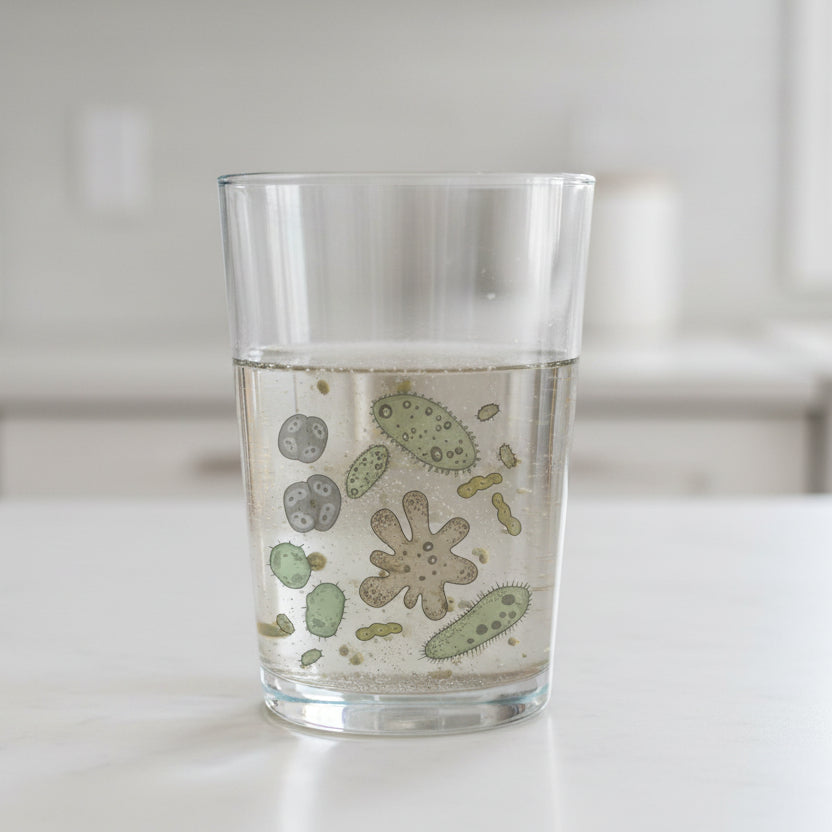
Does This Sound Familiar?
If you’re here, you may be asking questions like:
- Is my tap water safe to drink long-term?
- Should I be filtering my drinking water?
- What contaminants might be present even if I can’t see or smell them?
- Has my water quality changed recently?
- Should I be concerned about my children or family drinking tap water?
Unlike visible water problems, safety concerns often come from uncertainty rather than obvious symptoms.
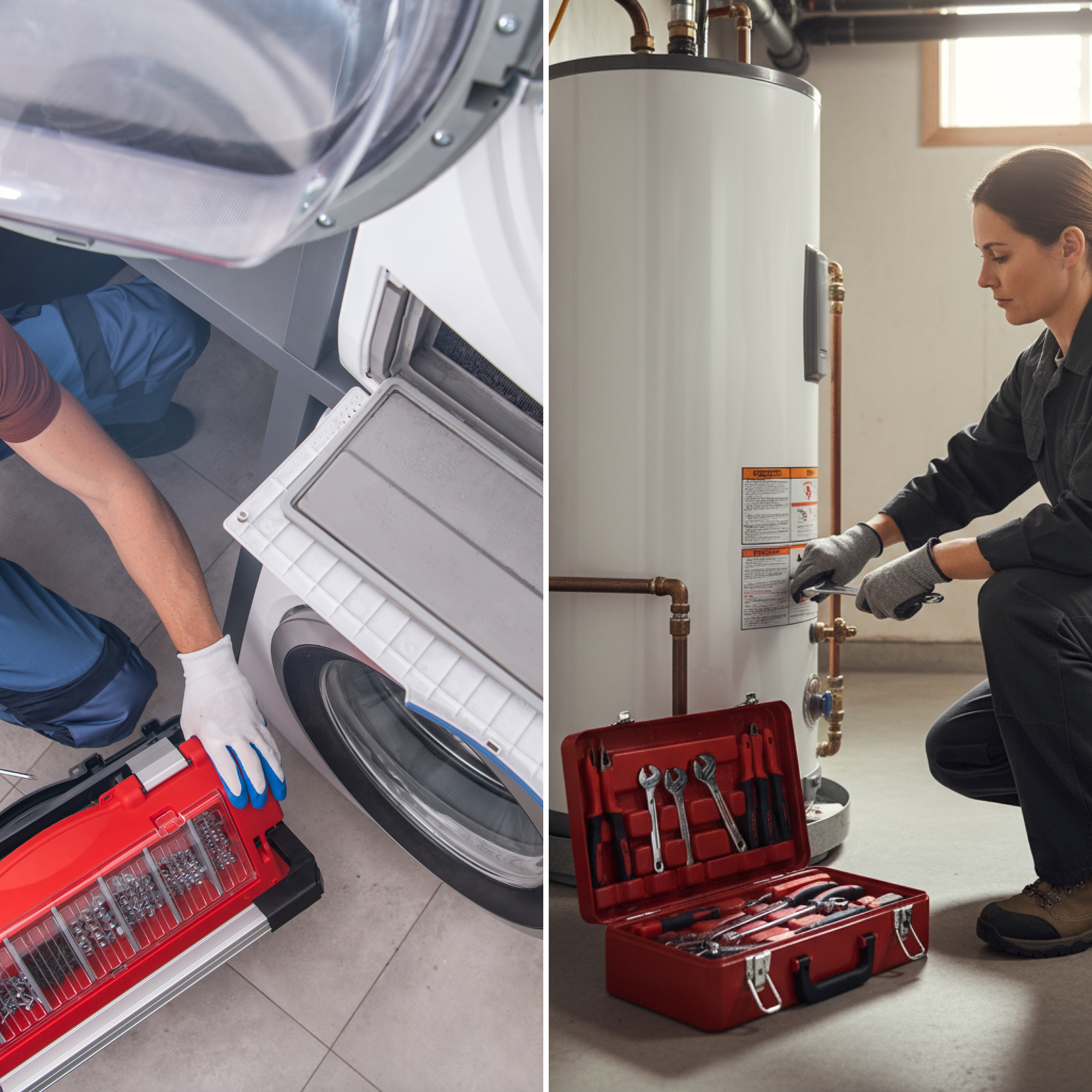
Why Many Homeowners Choose to Learn More About Their Water
Even when water meets regulatory standards, people often want a deeper understanding of their drinking water quality.
Common goals include:
- Improving confidence in drinking water safety
- Reducing specific contaminants or unwanted substances
- Protecting children or sensitive individuals
- Improving taste and overall drinking experience
- Creating a long-term plan for water quality management
Testing provides clarity so decisions are based on real data rather than assumptions.

How Drinking Water Safety Is Typically Addressed
There isn’t a single universal filtration system because treatment depends entirely on what’s present in your water.
At Water eStore, we focus on understanding your water first.
Instead of recommending generic solutions, we look at:
- Your water source and local conditions
- Existing water reports or lab results
- Specific concerns or health priorities
- Household usage and drinking habits
- Long-term maintenance preferences
Our process:
1️⃣ Test your water or review existing test results
2️⃣ Identify any contaminants or areas for improvement
3️⃣ Recommend solutions designed for your specific goals
So… How Do You Actually Improve Drinking Water Confidence?
The most effective approach starts with testing.
Because many contaminants are invisible, guessing or choosing random filters can lead to frustration or unnecessary expense.
Depending on your results and goals, solutions may include:
- Drinking water filtration systems
- Reverse osmosis systems
- Carbon filtration for taste and odor
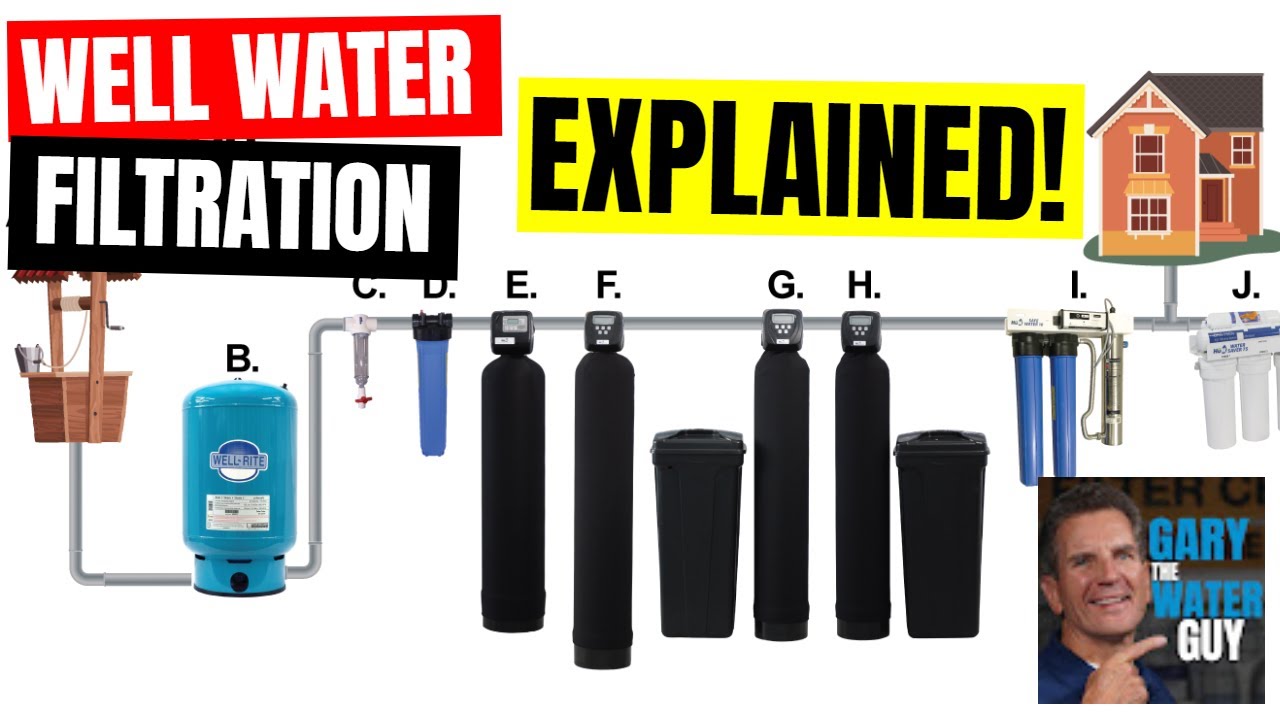
- Multi-stage systems tailored to your water chemistry
The key is matching treatment to actual water conditions.


Start With a Home Water Test
A water test gives you clarity and peace of mind.
Our home water test kits help:
- Identify potential contaminants affecting drinking water
- Provide a clearer picture of water composition
- Support personalized recommendations based on real data
Once you understand your water, our team helps you build a solution tailored to your home.
Drinking Water Safety FAQs
Is tap water safe to drink?
Is tap water safe to drink?
Municipal water systems are regulated and treated to meet safety standards, but conditions can vary depending on infrastructure, plumbing, and local factors.
Why test water if it already meets regulations?
Why test water if it already meets regulations?
Testing provides insight into your specific home’s water, which may differ from city-wide averages.
Do I need a filtration system?
Do I need a filtration system?
That depends on your goals, water quality, and preferences — testing helps determine whether filtration would provide meaningful benefits.
What’s the first step?
What’s the first step?
Start with testing or reviewing available water reports to understand your water before choosing treatment.