


City Water Treatment
Better Water Starts at Home.
Your city works hard to provide safe drinking water, but by the time that water reaches your home, it can still contain chlorine, sediment, aging pipe contaminants, and minerals that affect taste, odor, and your plumbing.
Whether you're looking for cleaner drinking water, softer water, or whole-home protection, we're here to help you find the right solution for your home.
Does This Sound Familiar?
City water concerns often look different than well water issues.
You may have noticed:
- Strong chlorine or chemical smell
- “Pool-like” taste
- Dry skin or hair after showering
- White scale buildup on fixtures
- Cloudy water that clears quickly
- Changes in water taste throughout the year
- Concerns about aging pipes or local infrastructure
Sometimes the water looks fine — but you still question what’s in it.
Common City Water Concerns
While municipal water is treated, homeowners commonly look to address:
- Chlorine taste and odor
- Hard water and scale buildup
- Sediment from infrastructure
- Disinfection byproducts
- Trace contaminants
- Drinking water confidence
Many families choose filtration not because water is “unsafe,” but because they want improved taste, comfort, and long-term protection.

How City Water Is Typically Treated at Home
There isn’t one universal “city water filter.”
Treatment depends on:
- Whether your city uses chlorine or chloramine
- Hardness levels
- Specific contaminant concerns
- Whole-home vs drinking-water-only goals
- Household size and water usage
At Water eStore, we start with understanding your water before recommending equipment.
Our process:
1️⃣ Review your local water report or test results
2️⃣ Identify primary concerns (taste, hardness, etc.)
3️⃣ Design a treatment plan aligned with your goals
Why Many Homeowners Choose to Filter City Water
Even when city water meets regulatory standards, filtration can help:
- Improve taste and odor
- Reduce chlorine exposure during bathing
- Protect plumbing and appliances
- Improve beverage and cooking flavor
- Create peace of mind about drinking water
The right solution depends on your goals and local water conditions.


Start With a Home Water Test
A water test helps confirm what’s present in your specific home’s water, not just city-wide averages.
Our home water test kits help:
- Identify disinfectants and mineral levels
- Detect sediment or clarity issues
- Provide a clear foundation for personalized recommendations
Once you understand your water profile, our team helps you build a solution tailored to your needs.
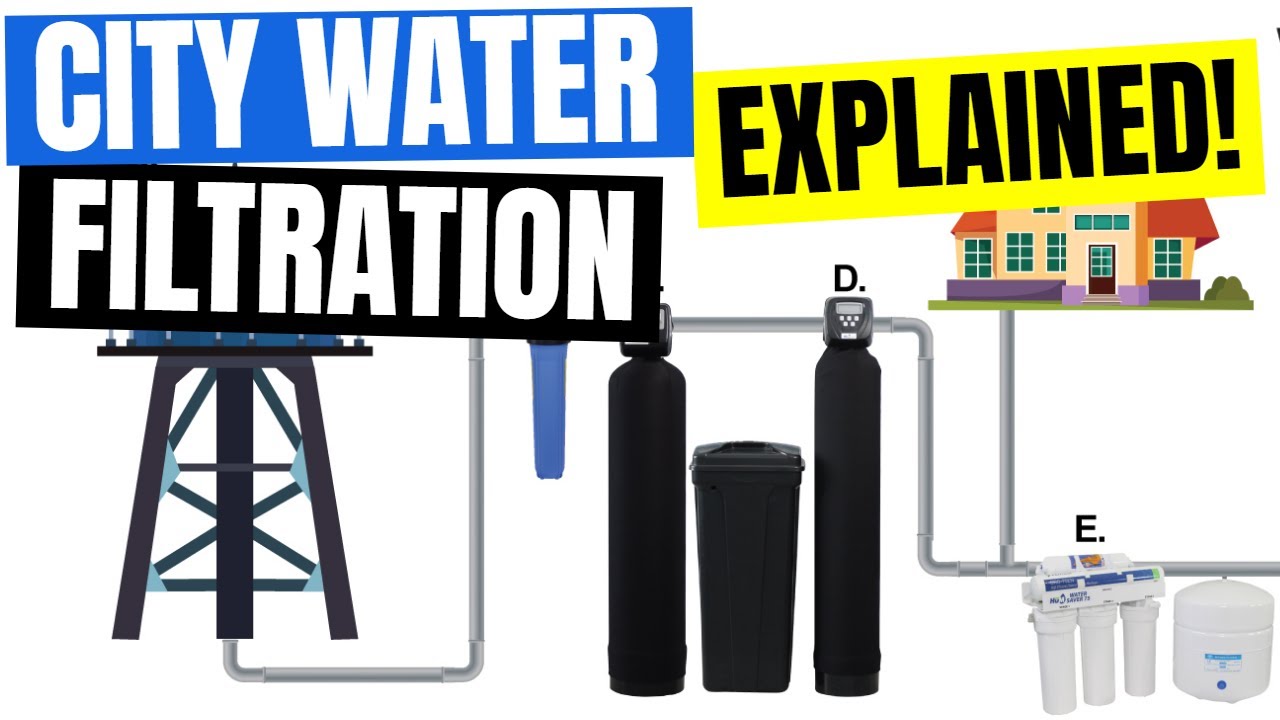
Helpful Video Guides
Municipal/City Water FAQs
Is well water safe to drink?
Is well water safe to drink?
Well water can be safe, but unlike municipal water, it is not treated before reaching your home. Regular testing is recommended to monitor quality.
How often should well water be tested?
How often should well water be tested?
Annual testing is commonly recommended, with additional testing if water changes in taste, smell, or appearance.
Do I need a whole-house system?
Do I need a whole-house system?
That depends on your water chemistry and household needs. Testing helps determine the right approach.
Why does my neighbor’s well water seem different?
Why does my neighbor’s well water seem different?
Groundwater conditions can vary significantly even between nearby properties.