

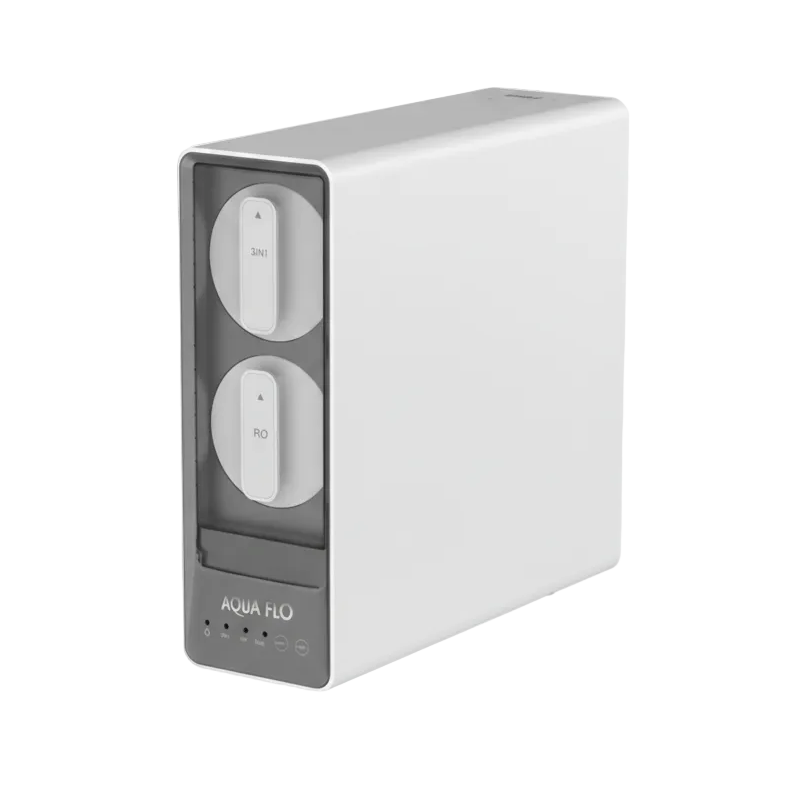
Aqua Water Flo Tankless RO System Guide & Maintenance
• Homeowners considering the Aqua Flo Tankless RO Water System
• Customers who already own this system and want to maintain it properly
• Anyone looking to understand how water softeners work and what up keep looks like long-term
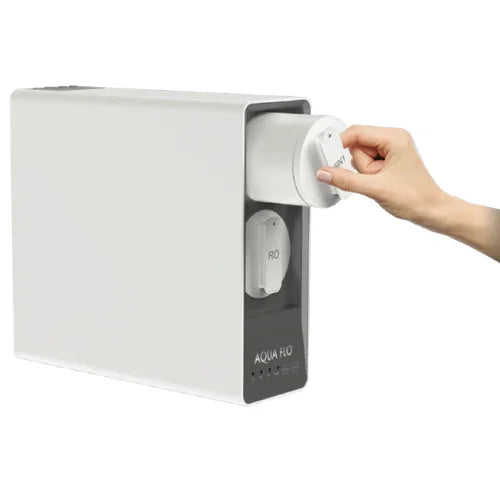
How the Aqua Flo Tankless RO System Works
This system uses reverse osmosis to reduce dissolved solids, chlorine, taste, odor, and other contaminants from your water supply. Incoming water passes through pre-filters before reaching the high-efficiency RO membrane, where impurities are rejected and flushed to drain while purified water is delivered on demand.
Unlike traditional RO systems, there is no storage tank, water is produced as needed, making maintenance and filter health especially important.
Product Downloads & Documentation
How Often Should You Perform Maintenance?
| Task | Frequency |
|---|---|
| Replace 3-1 Filter | Every 6-12 Months |
| Replace RO Membrane | Every 2-3 Years, as needed |
Helpful Video Guides

Product FAQs

How often do I really need to change the filters?
How often do I really need to change the filters?
Filter life depends on water quality and usage. Most customers replace pre-filters every 6–12 months to protect the membrane.
What happens if I don’t change filters on time?
What happens if I don’t change filters on time?
Delayed maintenance can lead to reduced flow, higher TDS, membrane damage, and system failure.
Does this system require a booster pump?
Does this system require a booster pump?
In many cases, yes. Tankless RO systems typically require adequate incoming pressure to maintain production rates. A booster pump may be necessary depending on your water supply.
What incoming water pressure is required?
What incoming water pressure is required?
Optimal operating pressure is typically between 60–100 psi after pre-treatment. Pressure requirements may vary based on installation conditions.
What type of water quality is best for this system?
What type of water quality is best for this system?
This system performs best with properly pre-treated municipal water. High iron, hardness, sediment, or TDS levels may require additional pre-treatment.