

Lake & Surface Water Filtration
Using lake water, surface water, or another untreated natural water source?
Lake water can be a reliable and abundant water supply, but unlike municipal water, it typically requires treatment before it’s suitable for everyday household use. Because surface water is exposed to environmental conditions, water quality may change throughout the year.
Understanding your lake water helps you build the right treatment approach for consistent performance and confidence.

Does This Sound Familiar?
Homes using lake or surface water may experience:
- Cloudy or murky water
- Seasonal changes in water clarity or smell
- Musty, earthy, or organic odors
- Visible particles or sediment
- Tea-colored or tinted water (tannins)
- Slimy buildup or algae-related issues
- Concerns about bacteria or microorganisms
- Filters clogging quickly
These conditions are common with surface water and usually manageable with the right treatment strategy.

Common Lake Water Concerns
Surface water users often address several issues at once, including:
- Sediment and turbidity
- Organic material and tannins
- Taste and odor challenges
- Bacteria or microbial concerns
- Iron or manganese depending on region
- Seasonal fluctuations in water quality
A properly designed system helps stabilize water quality even as conditions change.

How Lake Water Is Typically Treated
There isn’t a one-size-fits-all solution for surface water.
Treatment depends on:
- Turbidity and sediment levels
- Organic content and tannins
- Presence of bacteria or microorganisms
- Seasonal changes in water conditions
- Household water usage and flow rates
At Water eStore, we start by understanding your water before recommending equipment.
Our process:
1️⃣ Test your water or review existing lab results
2️⃣ Identify primary and seasonal water challenges
3️⃣ Design a multi-stage treatment system tailored to your home
So… How Do You Improve Lake Water Quality?
The most effective approach begins with understanding your specific water conditions.
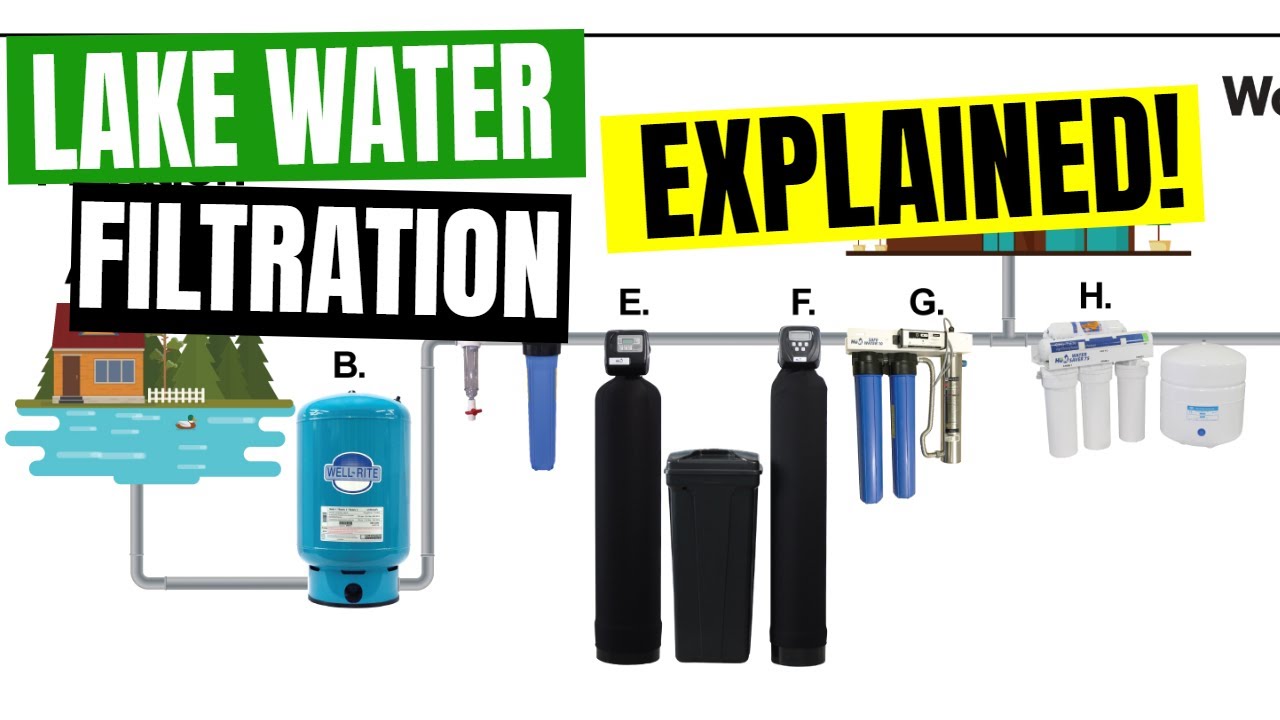
Surface water systems often include combinations of:
- Sediment filtration
- Carbon filtration for taste and odor
- UV disinfection or other microbial treatment
- Specialized media depending on water chemistry
Matching treatment to your water profile helps prevent ongoing adjustments and maintenance issues.


Start With a Home Water Test
A water test provides clarity about what’s present in your lake water.
Our home water test kits help:
- Identify sediment, organic content, and minerals
- Detect potential microbial concerns
- Provide a foundation for personalized treatment recommendations
Once you understand your water profile, our team helps you build a system designed for consistent performance.
Helpful Video Guides

Lake Water FAQs
Is lake water safe to use in a home?
Is lake water safe to use in a home?
Lake water can be used safely when properly treated, but it typically requires filtration and disinfection because it is exposed to environmental conditions.
Why does my lake water change seasonally?
Why does my lake water change seasonally?
Temperature, rainfall, and biological activity can influence clarity, taste, and odor throughout the year.
Do lake water systems require multiple filters?
Do lake water systems require multiple filters?
Often yes — multi-stage treatment helps address sediment, organic material, and microbial concerns.
What’s the first step?
What’s the first step?
Testing helps identify current conditions so treatment can be matched appropriately.